
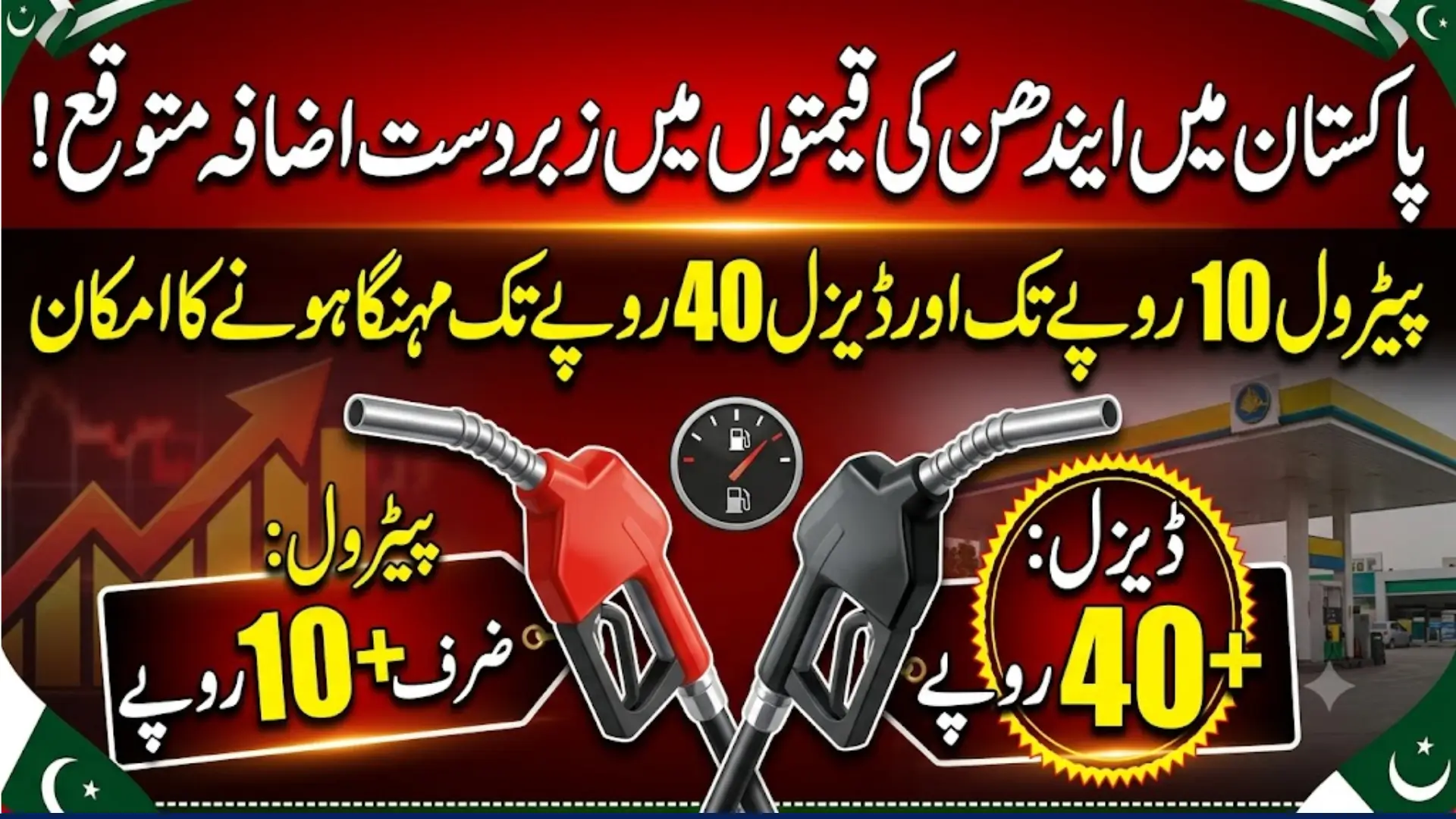
Consumers across Pakistan may soon face another significant increase in petroleum prices as the government prepares for the next fortnightly fuel price revision. According to current market estimates, petrol is expected to become costlier by around Rs10 per litre, while high-speed diesel (HSD) could increase by nearly Rs40 per litre from Friday night.
The expected hike comes only days after the previous revision on 10 July 2026, when petrol prices increased by Rs13.18 per litre and diesel prices rose by Rs13.80 per litre. If approved, this would mark the second consecutive fuel price increase in July, adding further pressure on households, transport businesses, and industries already struggling with inflation.
Expected Petrol and Diesel Price Increase in July 2026
Based on international oil benchmark prices recorded during the current pricing cycle, authorities are estimating another substantial increase in fuel prices. While one final day’s international Platts assessment is still pending, the latest calculations suggest that petrol and diesel prices are likely to rise again.
You can also read: Bacho Wala Taleemi Wazifa 4500/- Check by CNIC
Although these figures remain provisional until officially announced, they indicate that consumers should prepare for higher fuel costs. The final notification will depend on international crude oil prices, exchange rate movements, freight costs, and applicable petroleum taxes before the revised prices take effect.
Expected Fuel Prices
| Fuel Type | Current Price | Expected Increase | Estimated New Price |
|---|---|---|---|
| Petrol | Rs310.71/litre | Around Rs10 | Approximately Rs320.71/litre |
| High-Speed Diesel (HSD) | Rs323.30/litre | Around Rs40 | Approximately Rs363.30/litre |
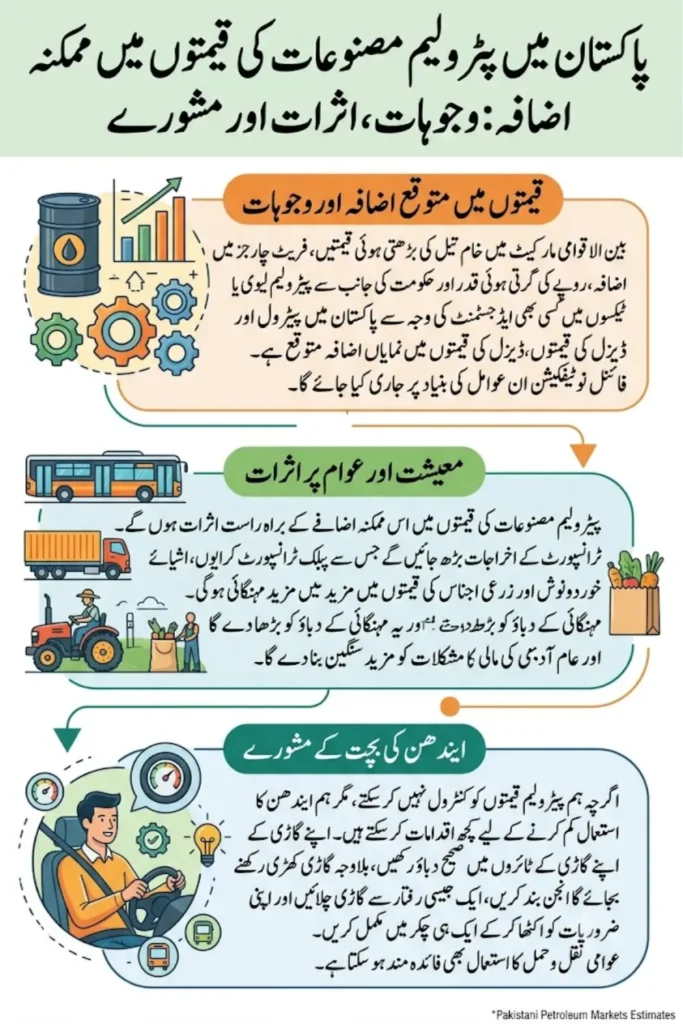
Why Are Petrol and Diesel Prices Increasing?
Pakistan imports a significant portion of its petroleum products, making domestic fuel prices highly sensitive to global market conditions. When international oil prices rise, local fuel prices generally follow the same trend.
The expected increase is mainly linked to:
- Higher international crude oil prices.
- Rising Platts benchmark prices for refined petroleum products.
- Exchange rate fluctuations affecting import costs.
- Freight and shipping expenses.
- Government taxation and petroleum levy adjustments.
- Import premium charged on fuel purchases.
All of these factors are reviewed before every fortnightly fuel price announcement.
Latest Fuel Price Comparison
The latest revision could significantly increase fuel costs compared to the previous notification issued on 10 July 2026.
| Revision Date | Petrol Price | Diesel Price |
|---|---|---|
| Before 10 July 2026 | Rs297.53/litre | Rs309.50/litre |
| After 10 July 2026 | Rs310.71/litre | Rs323.30/litre |
| Expected New Price | Around Rs320.71/litre | Around Rs363.30/litre |
If these estimates are approved, diesel will witness one of the largest single increases in recent months.
How Will Higher Fuel Prices Affect Pakistan?
Fuel prices directly influence the overall economy because transportation costs are built into the price of almost every product. A sharp increase in diesel prices is especially important since heavy transport vehicles, buses, trucks, and agricultural machinery depend heavily on HSD.
The expected increase may lead to:
- Higher public transport fares.
- Increased freight and logistics costs.
- Rising prices of vegetables, fruits, and groceries.
- Higher agricultural production expenses.
- Increased manufacturing costs.
- Additional inflation across multiple sectors.
Consumers often experience these effects within days as transportation expenses are passed on through the supply chain.
Who Will Be Most Affected?
Although every household will feel the impact of rising fuel prices, some groups are likely to experience greater financial pressure than others.
The most affected include:
- Daily commuters using private vehicles.
- Public transport operators.
- Truck and freight companies.
- Farmers using diesel-powered machinery.
- Delivery and courier services.
- Small businesses dependent on transportation.
- Industries relying on diesel generators.
These sectors may need to adjust their operating costs, which can ultimately affect consumer prices.
You can also read: Punjab Chief Minister Livestock Card
Practical Tips to Reduce Fuel Expenses
While consumers cannot control fuel prices, they can reduce unnecessary fuel consumption by adopting smarter driving habits.
Some useful ways to save fuel include:
- Maintain proper tyre pressure.
- Avoid unnecessary engine idling.
- Drive at a consistent speed.
- Combine multiple errands into one trip.
- Keep your vehicle properly serviced.
- Remove unnecessary weight from your vehicle.
- Use public transport when practical.
- Plan routes to avoid heavy traffic.
Even small improvements in driving habits can reduce monthly fuel expenses over time.
What Happens Next?
The government reviews petroleum prices every two weeks after assessing international oil prices, import costs, taxes, and exchange rates. The final figures are announced through an official notification before the revised prices become effective.
Since one day’s international pricing data is still pending, the estimated increase of Rs10 for petrol and Rs40 for diesel may change slightly before the official announcement. Consumers should wait for the final notification for confirmed prices.
Frequently Asked Questions (FAQs)
Is the petrol price increase officially confirmed?
No. The figures are currently market estimates based on international oil prices. The government will announce the final prices after completing the pricing calculation.
Why is diesel increasing more than petrol?
High-speed diesel prices are currently under greater pressure due to stronger international demand and higher benchmark prices for diesel products compared to petrol.
When will the new prices become effective?
If approved, the revised prices will come into effect from Friday night following the government’s official notification.
Can the final prices change?
Yes. Since one day’s international Platts assessment remains pending, the final increase could be slightly higher or lower than current estimates
Conclusion
Pakistan is likely to witness another notable increase in petroleum prices during the July 2026 fuel price review. Current estimates suggest petrol may become costlier by around Rs10 per litre, while high-speed diesel could rise by nearly Rs40 per litre. If approved, this will be the second fuel price increase within a week, placing additional pressure on transport costs, businesses, and household budgets.


You can also read: Prize Bond 750 15 July 2026 Result
Although the final prices are yet to be officially announced, consumers should remain prepared for higher fuel expenses and monitor the government’s latest notification for confirmed rates. Using fuel efficiently and planning travel carefully can help reduce the financial impact of rising petroleum prices.